
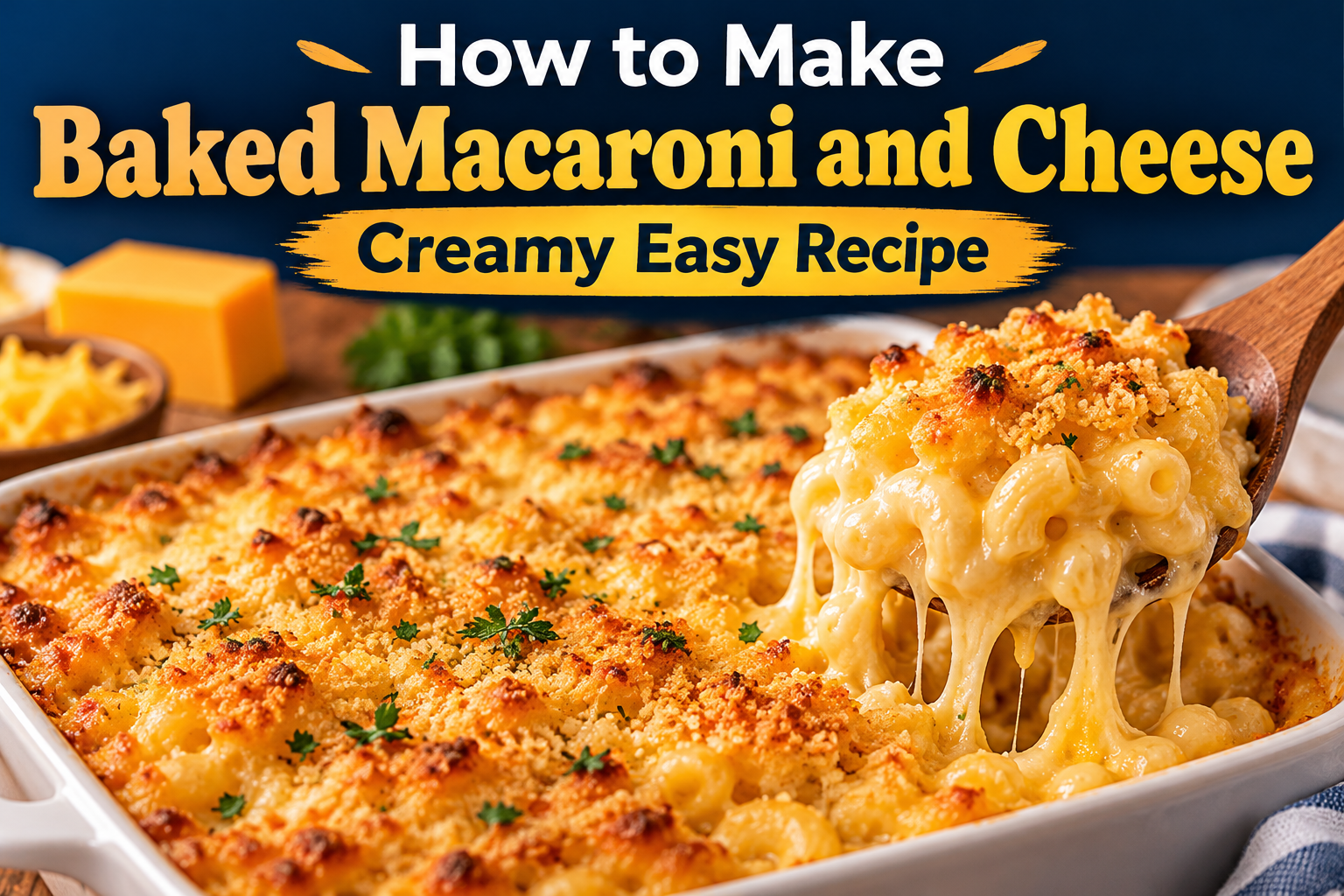

Baked macaroni and cheese tastes best when the pasta is tender, the cheese sauce is smooth, and the top is lightly golden. To make it at home, cook the macaroni slightly less than usual, prepare a creamy sauce with butter, flour, milk, and cheese, then bake everything until hot and bubbling. The trick is keeping enough moisture in the sauce so the pasta doesn’t dry out in the oven. This easy baked macaroni and cheese recipe uses sharp Cheddar and Monterey Jack for a rich flavor and creamy texture, with an optional crispy breadcrumb topping.
Baked Macaroni and Cheese Recipe at a Glance
This recipe makes approximately eight servings and uses a simple stovetop cheese sauce before baking.
| Recipe Details | Information |
|---|---|
| Prep Time | 20 minutes |
| Cooking Time | 35–40 minutes |
| Resting Time | 5–10 minutes |
| Total Time | Approximately 60–70 minutes |
| Servings | 8 |
| Oven Temperature | 350°F (175°C) |
| Baking Time | 20–25 minutes |
| Baking Dish | 9×13-inch |
| Main Cheeses | Sharp Cheddar and Monterey Jack |
The cheese sauce should be slightly thinner than you want the finished dish to be. The pasta absorbs some of the moisture while baking, so starting with a creamy mixture helps prevent dryness.
Ingredients for Homemade Baked Mac and Cheese
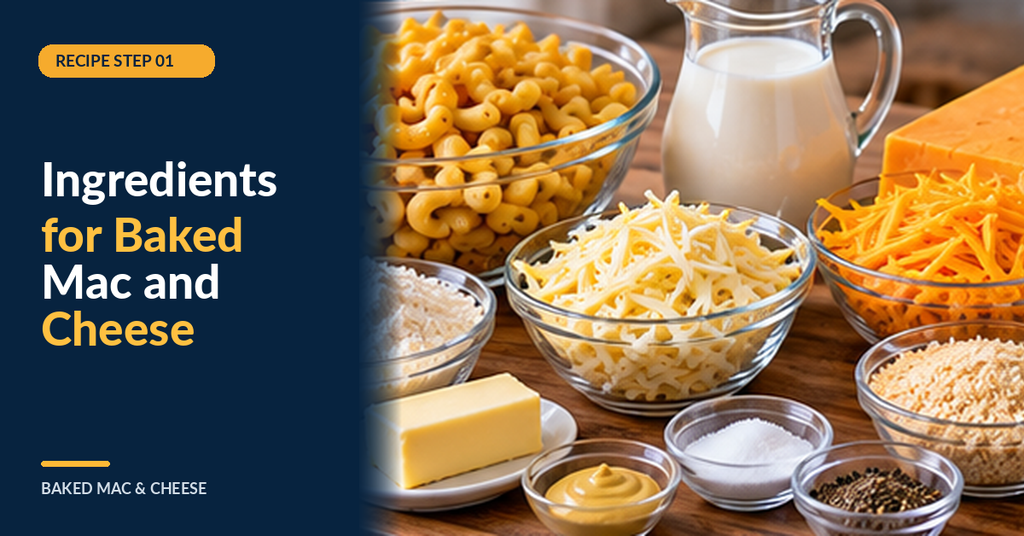
You need a few basic ingredients to make a rich cheese sauce and a golden topping.
For the macaroni and cheese:
- 1 pound (454 g) elbow macaroni
- 4 tablespoons (57 g) unsalted butter
- ¼ cup (30 g) all-purpose flour
- 4 cups (950 ml) whole milk
- 12 ounces (340 g) sharp Cheddar cheese, freshly grated
- 6 ounces (170 g) Monterey Jack cheese, freshly grated
- 1 teaspoon Dijon mustard
- ¼ teaspoon ground black pepper
- Salt, to taste
For the optional breadcrumb topping:
- 1 cup panko breadcrumbs
- 2 tablespoons (28 g) melted butter
- 2 tablespoons grated Parmesan cheese, optional
Reserve about ½ cup of the measured Cheddar for sprinkling over the casserole before baking. Use the remaining Cheddar and all the Monterey Jack in the sauce.
Whole milk gives the sauce a creamy consistency, while butter and flour help it thicken. Dijon mustard adds a little depth to the cheese flavor without making the dish taste strongly of mustard.
If you prefer a softer topping, skip the breadcrumbs and use only the reserved Cheddar.
How to Make Baked Macaroni and Cheese Step by Step

Follow these steps to prepare homemade baked mac and cheese with a creamy center and a golden crust.
Step 1: Preheat the Oven
Preheat your oven to 350°F (175°C). Lightly grease a 9×13-inch baking dish with butter or cooking spray.
Step 2: Cook the Macaroni
Bring a large pot of salted water to a boil. Add the elbow macaroni and cook for approximately 1–2 minutes less than the package’s al dente instructions.
The pasta should still feel firm when bitten because it will continue cooking in the oven.
Drain well and set aside. Avoid rinsing the macaroni, as the starch remaining on its surface helps the cheese sauce cling to it.
Step 3: Prepare the Roux
Melt 4 tablespoons of butter in a large saucepan over medium heat.
Add the flour and whisk continuously for 1–2 minutes. The mixture should become smooth and lightly bubbly without turning brown.
This butter-and-flour mixture is called a roux. It thickens the milk and gives the cheese sauce a more consistent texture.
Step 4: Add the Milk
Slowly pour a small amount of milk into the roux while whisking.
Once smooth, gradually add the remaining milk, continuing to whisk so no flour lumps form.
Bring the mixture to a gentle simmer and cook for approximately 3–5 minutes, stirring frequently.
The sauce should lightly coat the back of a spoon while remaining easy to pour.
Step 5: Add the Cheese
Remove the saucepan from the heat.
Stir in the Dijon mustard and black pepper. Add the Cheddar intended for the sauce and the Monterey Jack gradually, stirring until each addition has melted.
Taste the sauce before adding salt because cheese already contains some sodium.
Avoid returning the cheese sauce to a strong boil. Excessive heat can cause the cheese to separate and develop a grainy or greasy texture.
Step 6: Combine the Pasta and Sauce
Add the drained macaroni to the cheese sauce and gently stir until all the pasta is coated.
The mixture should look generously saucy. If it seems too thick, add a small splash of milk and stir again.
Step 7: Transfer to the Baking Dish
Pour the macaroni and cheese into the prepared baking dish.
Spread it evenly without pressing the pasta tightly together.
Sprinkle the reserved Cheddar over the surface.
Step 8: Prepare the Topping
In a small bowl, combine the panko breadcrumbs with the melted butter.
Add Parmesan if desired, then sprinkle the mixture evenly over the macaroni.
For a breadcrumb-free version, leave this topping off and allow the Cheddar to brown naturally.
Step 9: Bake the Mac and Cheese
Place the dish in the preheated oven and bake uncovered for approximately 20–25 minutes.
The macaroni and cheese is ready when the edges are bubbling, the center is hot, and the topping is lightly golden.
Avoid leaving it in the oven unnecessarily, as prolonged baking can cause the cheese sauce to dry out.
Step 10: Rest and Serve
Remove the casserole from the oven and allow it to rest for 5–10 minutes before serving.
This gives the sauce a chance to settle while keeping the pasta creamy.
Serve warm for the best texture.
Also Read: How to Make a Charcuterie Board: Easy Step-by-Step Guide
What Pasta Is Best for Baked Mac and Cheese?
Elbow macaroni is the classic choice because its curved shape catches cheese sauce and distributes it throughout the casserole.
However, other short pasta shapes also work well.
- Cavatappi: Its spiral shape holds plenty of sauce.
- Small shells: Their hollow centers collect creamy cheese.
- Cellentani: Its twists provide a satisfying texture.
- Small rigatoni: The ridged surface helps cheese sauce cling to the pasta.
Whichever shape you choose, avoid cooking it completely before baking. Pasta that is already soft when it enters the oven can become mushy.
How to Make a Smooth Cheese Sauce

A smooth cheese sauce depends on the order in which you add the ingredients and how much heat you use.
Start by cooking the flour briefly in melted butter. Add the milk gradually, whisking until the mixture becomes smooth.
Let the milk sauce thicken gently before introducing the cheese.
Once the base is ready, remove the saucepan from the heat and stir in the shredded cheese a handful at a time.
Freshly grated cheese is usually a good choice because some packaged shredded varieties contain anti-caking ingredients that can affect how smoothly they melt. Pre-shredded cheese can still be used, but the finished sauce may vary.
If the sauce begins to thicken too much, stir in a little warm milk until it becomes creamy and pourable again.
Best Cheese for Baked Macaroni and Cheese

Choosing the right cheese makes a difference in both flavor and texture.
Sharp Cheddar delivers the familiar taste of macaroni and cheese, while Monterey Jack contributes a smooth, mild melt.
Other cheeses can work well depending on your preference.
| Cheese | Flavor | Best Use |
|---|---|---|
| Sharp Cheddar | Tangy and rich | Classic macaroni and cheese flavor |
| Monterey Jack | Mild and buttery | Smooth, creamy melting |
| Gruyère | Nutty and savory | Adds depth of flavor |
| Fontina | Rich and buttery | Creates a creamy texture |
| Young Gouda | Mild and slightly sweet | Adds mellow richness |
| Mozzarella | Mild and milky | Adds stretch when used in moderation |
A blend of sharp Cheddar and Monterey Jack is a reliable starting point.
If you want a stronger flavor, replace some of the Monterey Jack with Gruyère. For a softer, buttery finish, try Fontina.
Very aged cheeses can be less forgiving when heated, so blending them with a younger cheese often produces a smoother result.
How to Keep Baked Mac and Cheese Creamy

The most common reason baked macaroni and cheese becomes dry is that the pasta absorbs too much moisture during cooking.
You can reduce that problem with a few simple techniques.
First, undercook the macaroni slightly. It should finish cooking in the oven rather than becoming overly soft in the boiling water.
Second, use enough cheese sauce. The macaroni should look creamier than the finished dish before baking.
Third, avoid making the sauce too thick on the stove. It should coat the pasta without forming a heavy paste.
Finally, keep the baking time relatively short. Since the pasta is partially cooked and the cheese sauce is already prepared, the oven mainly heats the casserole and browns the topping.
Also Read: How to Make a Sourdough Starter: Easy Step-by-Step Guide
Why Is My Baked Mac and Cheese Dry?
Dry macaroni and cheese usually results from one or more cooking mistakes.
The pasta may have been fully cooked before baking, the sauce may have been too thick, or the casserole may have remained in the oven too long.
Using too little sauce can also leave the macaroni dry, particularly around the edges.
To prevent this, make sure the pasta is thoroughly coated in a slightly loose cheese sauce.
If the mixture appears dry before baking, add a small amount of milk rather than hoping the oven will improve the texture.
Why Is My Mac and Cheese Grainy or Greasy?
Grainy cheese sauce often develops when the cheese is overheated.
High temperatures can cause the proteins in cheese to tighten and the fat to separate from the liquid. This may leave a rough texture or visible pools of grease.
To prevent this, remove the milk sauce from direct heat before adding the shredded cheese.
Add it gradually and stir gently until melted.
Combining sharp Cheddar with a good melting cheese, such as Monterey Jack or Fontina, can also help produce a smoother sauce.
Once the cheese has melted, avoid boiling the mixture.
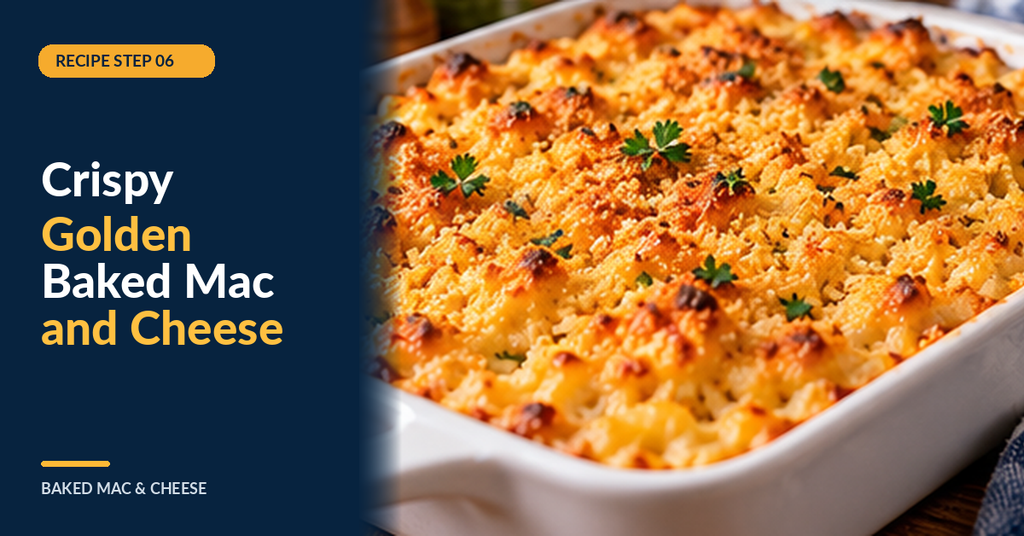
Breadcrumbs are optional in baked macaroni and cheese.
If you prefer a smooth, cheesy topping, simply sprinkle the reserved Cheddar over the macaroni before baking.
The cheese will melt across the surface and develop golden spots as the casserole heats.
This method creates a softer top with slightly crisp edges instead of a crunchy breadcrumb layer.
You can also use a combination of Cheddar and a small amount of Parmesan for additional flavor.
Also Read: How to Make a Latte at Home: Easy Café-Style Recipe
Do You Need Eggs in Baked Macaroni and Cheese?
Eggs are not necessary for a creamy, roux-based baked macaroni and cheese recipe.
In this version, butter and flour thicken the milk sauce, while melted cheese creates the creamy texture.
However, eggs are common in some Southern-style and custard-style baked macaroni and cheese recipes.
These versions may use eggs, milk or evaporated milk, and layers of cheese to produce a firmer casserole that holds its shape when served.
Both methods are valid. If you prefer a creamy, spoonable texture, the roux-based version is a good choice.
Baked Mac and Cheese vs Stovetop Mac and Cheese
The main difference is the final texture.
Stovetop macaroni and cheese is served immediately after the sauce and pasta are combined. It usually remains softer and saucier.
Baked macaroni and cheese spends additional time in the oven, where the sauce thickens and the top develops a golden crust.
The baked version also tends to have slightly firmer edges.
If you want the creamiest possible macaroni and cheese without a crust, stovetop preparation may suit you better.
If you enjoy a creamy interior with a golden topping, baking offers that contrast.
Can You Make Baked Mac and Cheese Ahead of Time?
Yes, but it helps to plan for the way pasta absorbs moisture during refrigeration.
One option is to prepare the cheese sauce and macaroni separately. Cool them promptly, store them in covered containers in the refrigerator, and combine them before baking.
You can also assemble the casserole up to one day ahead.
If assembling early, keep the sauce a little looser than usual and refrigerate the covered dish promptly.
Add the breadcrumb topping just before baking so it stays crisp.
A refrigerated casserole needs more time in the oven than one assembled with hot pasta and sauce. Covering it initially can help retain moisture, then uncover it near the end for browning.
Do not assume the usual 20–25-minute baking time will be enough for a cold casserole.
How to Store Leftover Macaroni and Cheese
Allow the leftovers to cool briefly, then transfer them to shallow, airtight containers and refrigerate promptly.
Cooked macaroni and cheese should be refrigerated within two hours of cooking, or within one hour if the surrounding temperature exceeds 90°F (32°C).
Keep your refrigerator at 40°F (4°C) or below.
Properly refrigerated leftovers should generally be eaten within 3–4 days.
Avoid leaving the entire casserole at room temperature for several hours, even if it still looks and smells fine.
Can You Freeze Baked Mac and Cheese?
Yes. Baked macaroni and cheese can be frozen, although the sauce may become slightly less smooth after thawing.
Divide cooled leftovers into practical portions and store them in airtight, freezer-safe containers.
For the best quality, try to use frozen portions within 2–3 months.
When possible, thaw the macaroni and cheese in the refrigerator before reheating.
Adding a small splash of milk during reheating can help restore moisture, but the texture may not be identical to freshly baked mac and cheese.
Also Read: How to Make Self Rising Flour: Easy 3-Ingredient Recipe
How to Reheat Baked Mac and Cheese Without Drying It Out
The best reheating method depends on how much macaroni and cheese you have.
Reheating in the Oven
Place the leftovers in an oven-safe dish and add a small splash of milk if the pasta looks dry.
Cover with foil and heat at approximately 325–350°F (163–175°C) until thoroughly hot.
Remove the foil near the end if you want to restore some crispness to the topping.
Reheating in the Microwave
Transfer an individual serving to a microwave-safe dish.
Add a little milk, cover loosely, and heat in short intervals, stirring between intervals where practical.
For food safety, reheated leftovers should reach an internal temperature of 165°F (74°C).
Easy Mac and Cheese Variations
Once you know the basic recipe, you can adjust the flavor with different cheeses and ingredients.
For a classic version, use sharp Cheddar and Monterey Jack.
For a more savory flavor, combine Cheddar with Gruyère.
If you prefer a buttery, mild sauce, try Cheddar with Fontina or young Gouda.
You can also add cooked bacon, steamed broccoli, sautéed onions, jalapeños, or cooked chicken.
Drain vegetables well and cook meat fully before adding it to the casserole. The short baking time is intended to finish the macaroni and cheese, not to cook raw meat safely.
Common Mistakes to Avoid When Making Baked Mac and Cheese
Even a straightforward recipe can go wrong if a few important steps are overlooked.
| Common Mistake | What to Do Instead |
|---|---|
| Overcooking macaroni | Stop boiling while the pasta is still firm |
| Using too little sauce | Coat the pasta generously |
| Making sauce too thick | Keep it creamy and pourable |
| Adding cheese to boiling sauce | Reduce or remove heat first |
| Using only highly aged cheese | Blend with a smoother-melting cheese |
| Forgetting to season | Salt pasta water and taste the sauce |
| Baking too long | Remove when hot, bubbling, and golden |
| Adding dry breadcrumbs | Mix breadcrumbs with melted butter |
| Baking a cold casserole for too little time | Allow additional time to heat thoroughly |
Paying attention to these details is more important than adding extra ingredients or complicated seasonings.
FAQs
How do you make baked macaroni and cheese?
Cook macaroni until slightly underdone, then prepare a cheese sauce using butter, flour, milk, and shredded cheese. Mix the pasta with the sauce, transfer it to a baking dish, add your preferred topping, and bake at 350°F (175°C) until hot and golden.
What is the best cheese for baked mac and cheese?
Sharp Cheddar is a popular choice for its distinctive flavor. Combining it with Monterey Jack, Fontina, or young Gouda helps create a smoother texture. The ideal blend depends on whether you prefer stronger cheese flavor or a milder, creamier sauce.
Do you have to make a roux for baked macaroni and cheese?
No. Some baked macaroni and cheese recipes use eggs and milk instead of a flour-based sauce. However, a roux provides a useful foundation for a creamy cheese sauce and helps thicken the liquid before baking.
Why does my baked macaroni and cheese turn out dry?
The most common causes are insufficient sauce, overcooked pasta, and excessive baking. Keep the sauce slightly loose before baking, avoid fully cooking the macaroni in water, and remove the casserole once the topping is golden and the edges are bubbling.
How long should macaroni and cheese bake at 350°F?
A freshly assembled casserole with warm cheese sauce generally takes approximately 20–25 minutes at 350°F (175°C). A cold casserole or a recipe containing an uncooked egg mixture may require a longer baking time.
Should baked mac and cheese be covered with foil?
Freshly assembled macaroni and cheese can usually be baked uncovered to develop a golden topping. A refrigerated casserole may benefit from being covered during the initial heating period to reduce moisture loss. Remove the foil near the end if browning is desired.
Can I make baked mac and cheese without eggs?
Yes. Eggs are not required for creamy baked mac and cheese. A sauce made with butter, flour, milk, and cheese provides richness and structure without eggs. Egg-based recipes typically produce a firmer, more set casserole.
Can you prepare baked macaroni and cheese the night before?
Yes. Assemble the casserole, cover it, and refrigerate promptly. Keep the sauce slightly loose because the pasta absorbs moisture while refrigerated. Add breadcrumbs just before baking and allow extra heating time for the cold casserole.
How do you reheat macaroni and cheese and keep it creamy?
Add a small splash of milk before reheating. Cover the dish to reduce moisture loss, and heat gently in the oven or microwave. Stir individual portions when practical and make sure leftovers reach 165°F (74°C) before serving.
Conclusion
Making creamy baked macaroni and cheese is easier when you focus on a few important details. Slightly undercook the pasta, prepare a smooth roux-based sauce, and use a combination of flavorful Cheddar and a good melting cheese. Keep the mixture generously coated before baking, as the macaroni will continue absorbing moisture in the oven. Bake just until the casserole is hot, bubbling, and golden, then let it rest briefly before serving. With the right balance of pasta, sauce, and baking time, you can make homemade mac and cheese that stays creamy inside with a delicious golden topping.
